

When it comes to sustainability, pollution, and lifestyle choices, many people ask: How do urban living and rural living compare in terms of environmental impact?
This question is important because the way we live shapes our carbon footprint, our use of resources, and the overall health of the environment. In this blog, we will analyze the comparison of urban living and rural living in terms of environmental impact and find out which lifestyle may be more sustainable for the future.
Environmental Impact of Rural Living
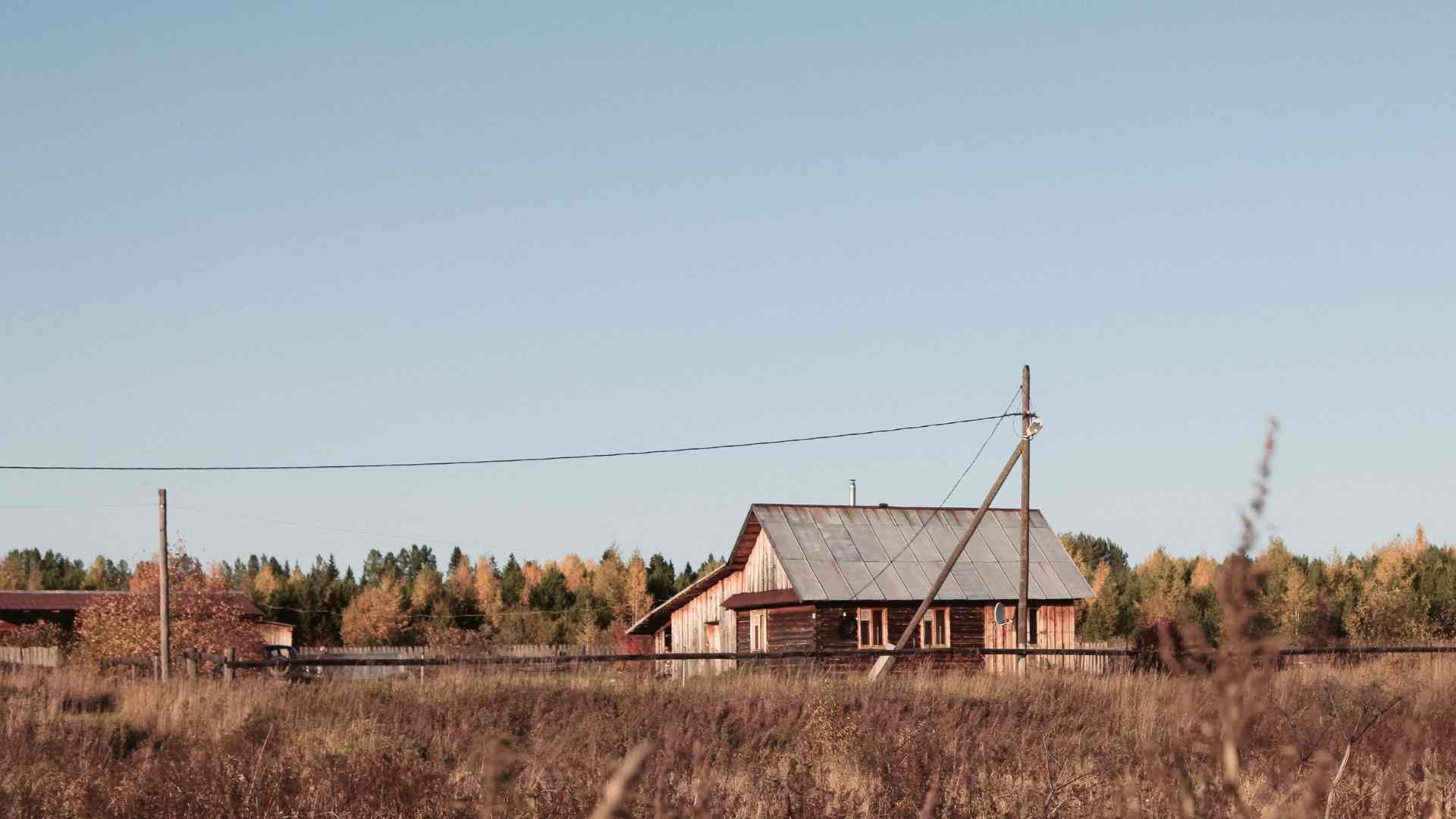
Now let’s consider the rural aspect of this question: How do urban living and rural living compare in terms of environmental impact? In rural areas, the population is spread out, leading to:
- Higher transportation emissions: People rely heavily on private vehicles due to a lack of public transportation.
- Land use: Farming and large plots of land use more natural resources.
- Cleaner air and less noise: Rural areas generally have cleaner air and less industrial pollution.
Comparing Urban vs. Rural Environmental Footprints
The key to understanding the comparison of urban living and rural living in terms of environmental impact is to understand that neither lifestyle is entirely environmentally friendly. Urban living is energy-efficient per capita, but pollution is concentrated.
Rural living is cleaner in some ways, but spreads environmental damage over larger areas.
In summary:
- Urban living = efficiency + pollution
- Rural living = space + high resource use

Final Thoughts on Comparing Urban Living and Rural Living in Terms of Environmental Impact
So, how do urban living and rural living compare in terms of environmental impact? The answer is complicated. Urban living is dense and efficient, but highly polluting. Rural living seems greener, but often requires more land and energy.
The ultimate goal is not to choose one over the other, but to make both more sustainable. Understanding how urban living and rural living compare in terms of environmental impact helps us create a balanced future for both urban living and rural living.